
Africa’s Workforce of the Future: Turning Youth Potential into Global Talent
By Sameera Ahmed | August 2025
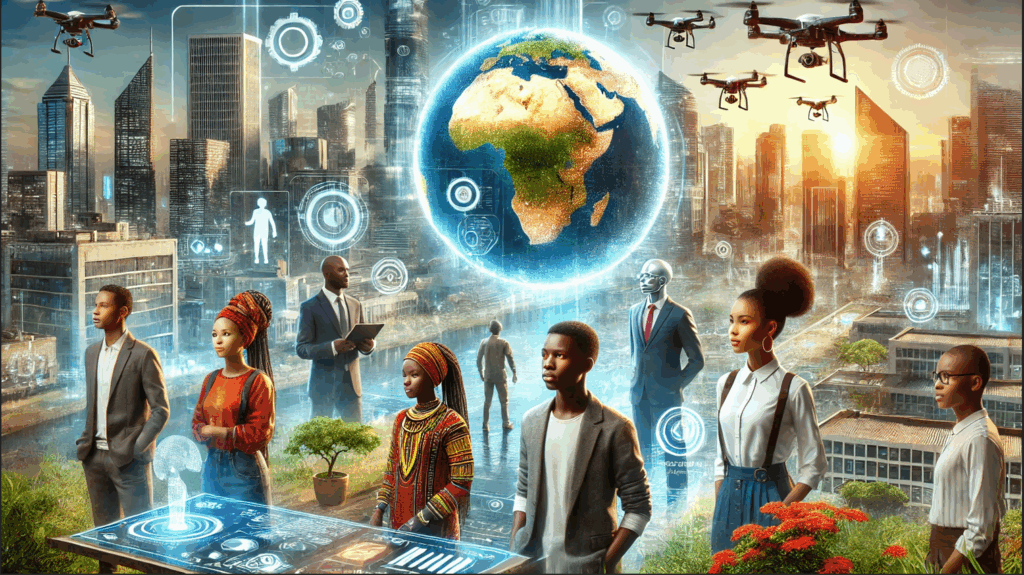
By 2034, Africa will have the largest workforce in the world – over 1.1 billion working-age people. This demographic advantage could propel Africa into becoming the next global economic powerhouse. But unlocking this potential requires more than optimism. It demands action: overcoming socio-economic barriers, embedding technology and AI, and building ecosystems that enable talent to thrive locally.
The central challenge is clear:
How do we prepare African youth to thrive in a future shaped by technology, sustainability, and global competition – while keeping talent on the continent?
Facing Africa’s Reality: Barriers That Cannot Be Ignored
Before building competitive talent ecosystems, we must acknowledge the socio-economic barriers millions of Africans face daily:
- Access to electricity and clean water – Without basic infrastructure, education and entrepreneurship remain limited.
- Digital inequality – Millions still lack reliable internet access, leaving young people excluded from the global digital economy.
- Unequal education quality – Rural and underfunded schools often fail to equip youth with critical 21st-century skills.
- Youth unemployment – Many graduates are “qualified but unemployable” because skills don’t align with market needs.
- Brain drain – Talented professionals leave for opportunities abroad, weakening local economies.
Overcoming these challenges requires a whole-ecosystem response: governments investing in infrastructure, businesses driving job creation, HR shaping the workforce, and communities nurturing resilience.
The Role of AI: Africa’s Accelerator
Artificial Intelligence has the power to leapfrog Africa ahead, if deployed responsibly and inclusively. Some opportunities include:
- Education Transformation – AI-powered learning platforms can bring world-class education into remote classrooms.
- Healthcare Access – AI can expand diagnostics and preventative care in underserved communities.
- Talent Matching – HR can use AI to predict future skills and match candidates with careers fairly and faster.
- Agriculture & Sustainability – AI-driven farming can boost food security and create new agri-tech jobs.
- Entrepreneurship Enablement – AI tools lower barriers for youth-led businesses, from marketing to data analytics.
But this is only possible if access gaps are closed. Without electricity, internet, and digital literacy, AI will deepen inequality instead of solving it.
The Ecosystem Approach: Youth, Communities, Business, and HR
Youth: Innovators and Builders
Africa’s youth must be equipped with future-proof skills – digital literacy, problem solving, and entrepreneurship. They must be empowered not just as employees but as value creators.
Communities: The Bedrock of Inclusion
- Invest in infrastructure: power, water, and broadband.
- Create safe, equitable spaces for women and marginalized groups.
- Foster cultural pride so Africa is seen not as a talent exporter but a hub of innovation.
Business: Catalysts of Change
- Partner with governments to co-fund infrastructure and skills programs.
- Build training academies that align education with real industry needs.
- Use AI responsibly, ensuring automation creates new work rather than displacing vulnerable workers.
HR: Architects of Africa’s Talent Future
- Design AI-enabled reskilling programs for youth and employees.
- Champion inclusive hiring practices that give rural and marginalized youth fair opportunities.
- Build employee value propositions that keep top talent in Africa.
- Use data-driven insights to influence national and business policy.
Keeping Talent in Africa: From Brain Drain to Brain Gain
The true measure of success will be whether Africa’s youth stay and thrive here. That requires:
- Competitive opportunities at home that rival global benchmarks.
- Strong infrastructure and quality of life to support dignity and aspiration.
- A global narrative of “Brand Africa” as a hub for talent and innovation.
A Call to Action: HR and Business, The Future Won’t Wait
Africa’s workforce opportunity is not just a future trend. It’s a present responsibility. HR leaders and business executives must rise to the challenge now.
- HR Community: You are the architects of Africa’s talent future. Invest in learning ecosystems, champion inclusive practices, and use AI responsibly to shape a workforce that is globally competitive but proudly African.
- Business Leaders: You are the engines of opportunity. Move beyond compliance and profit. Build sustainable talent pipelines, invest in infrastructure, and ensure your strategies create dignified, future-ready jobs.
If HR and business act together, Africa will not just have the largest workforce in 2034, we will have the most dynamic, innovative, and competitive workforce in the world.
The time to act is now. Let’s turn Africa’s demographic curve into a global competitive advantage. The future belongs to those who build it. Together.